
England Goes Thirsty! Nearly Three-Quarters of the Country Is Now in Drought
Quick Summary
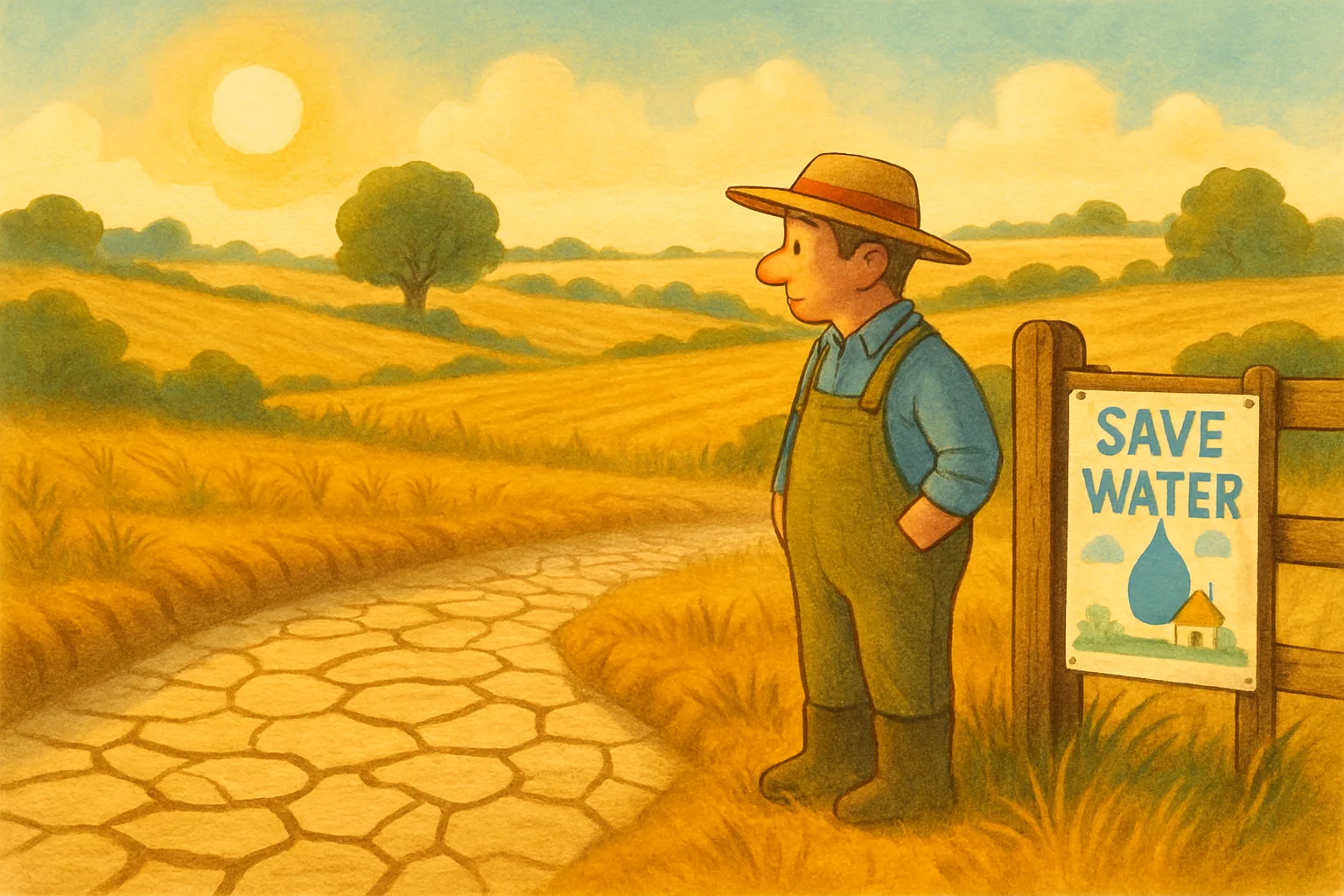
Almost three-quarters of England has been officially declared to be in drought. This comes just as England’s fifth heatwave of the summer is about to arrive. It is a record-breaking dry stretch that scientists say is connected to climate change.
What Happened?
England is usually famous for its rainy weather. Gray skies and Wellington boots are a national symbol! But 2026 has been a very different story.
July 2026 was England’s driest July ever recorded. England received just 10% of the rainfall it normally gets in July — imagine a glass of water that should be full, but has only a tiny splash at the bottom.
Now, the country’s Environment Agency has declared that 71.3% of England is officially in drought. Four new areas — including parts of the East Midlands and the South Downs — tipped into drought status this week. Reservoir storage is nearly 12% below the long-term average.
Farmers have had to harvest their crops early to beat the heat. Wildfires have been breaking out across the countryside. Water companies in some areas have introduced hosepipe bans, asking people not to water their gardens from a hose.
This week, England is bracing for its fifth heatwave of the summer. Forecasters say temperatures could reach 36°C (97°F) — roughly the same as a hot day in southern Spain — in parts of south-east England by Thursday.
Health officials are reminding people to stay cool, drink plenty of water, and check on elderly neighbours who may be more affected by the heat.
Why Does It Matter?
Droughts are not just uncomfortable — they affect rivers, wildlife, farms, and the water that comes out of everyone’s taps.
When rivers run low, fish and other animals lose their homes. When fields dry out, food becomes harder to grow. Scientists say that climate change is making heatwaves like this one happen more often and get hotter.
The good news: people across England are already stepping up. Communities are sharing water-saving tips, farmers are adapting their methods, and local helpers are checking on vulnerable neighbours. Scientists and governments are also working on longer-term plans to make water supplies more reliable in the future.
Big Words
- Drought — a long period of time with much less rain than usual, leaving land and water sources dangerously dry.
- Reservoir — a large, human-made lake where drinking water is stored, a bit like a giant outdoor bathtub for a whole city.
- Heatwave — several days in a row of unusually hot weather that is much warmer than normal for that place.
- Environment Agency — a government organisation in England that looks after rivers, air, and land to keep nature and people healthy.
- Hosepipe ban — a rule that stops people from using a garden hose to water plants or wash cars, to save water during dry spells.
Fun Fact
England normally receives around 885 millimetres of rain every year — that’s almost enough to fill a bathtub! But in 2026, the rain virtually disappeared for weeks on end, smashing records that go back over a century.
Think About It
If you wanted to save water at home every day, what are three small changes you could make? How much water do you think those changes might add up to in a whole year?
Sources
- Bloomberg — ‘England Declares Widespread Drought as Dry Weather Hits Water Supplies’
- LBC — ‘Nearly three-quarters of England now in drought as 36C heatwave looms’
- Euronews — ‘Drought declared in almost three-quarters of England, UK government says’
- Wikipedia — ‘2026 United Kingdom heatwaves’