
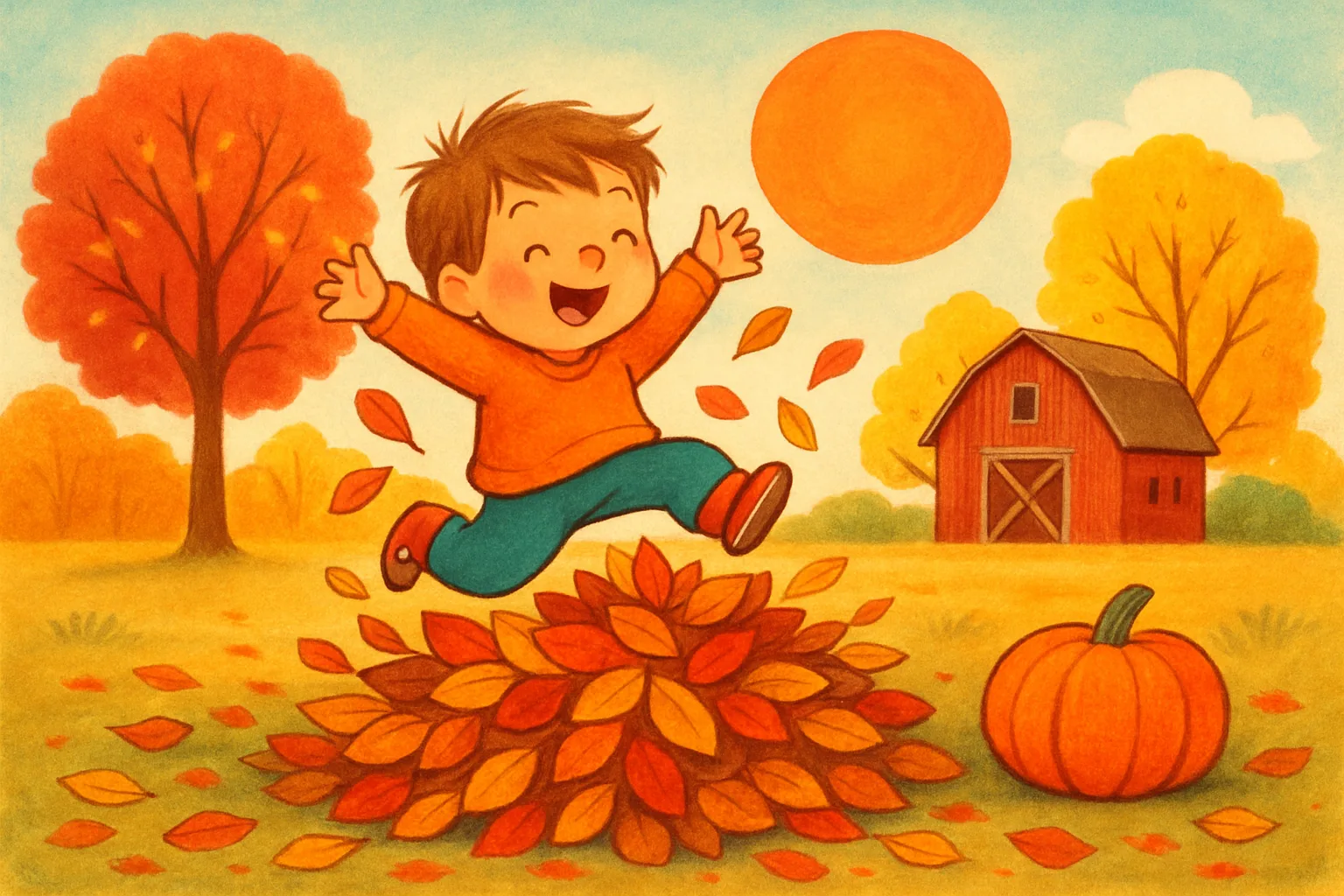
Hello, Fall! Today Is the First Official Day of Autumn
Quick Summary
Today, September 22, 2026, is the fall equinox — the moment when summer officially ends and autumn begins. It happens at exactly 8:04 p.m. Eastern Time tonight. All around the Northern Hemisphere, people are welcoming cooler days, colorful leaves, and harvest season.
What Happened?
Twice every year, Earth reaches a special moment called an equinox. Today is one of those moments. The word “equinox” comes from two Latin words: aequi, meaning “equal,” and nox, meaning “night.” On an equinox, day and night are almost exactly the same length everywhere on Earth. Think of it like a balance scale with the same amount on both sides.
Here is why it happens. Earth is always tilted as it travels around the Sun. For half the year, the Northern Hemisphere leans toward the Sun, giving us long, warm summer days. For the other half, it leans away, bringing shorter, colder winter days. The equinox is the moment right in between — when neither half of Earth is tilting toward or away from the Sun.
At 8:04 p.m. Eastern Time tonight, the Sun will cross an imaginary line in the sky called the celestial equator. That crossing is the exact start of fall. The same moment happens for everyone on Earth at the exact same time, no matter where you live.
In the Southern Hemisphere, like in Australia or Argentina, the same event means the opposite! While we begin fall, they begin spring. Earth’s two halves always have opposite seasons.
And here is something fun to look forward to: just four days from now, on September 26, the Harvest Moon will rise. That is the full moon closest to the fall equinox. Farmers long ago used its bright glow to work late into the night finishing their harvests.
Why Does It Matter?
The fall equinox is one of four big turning points in Earth’s year. The others are the spring equinox, the summer solstice, and the winter solstice. Together, they create our four seasons.
People have celebrated this day for thousands of years. Ancient builders made sure famous structures like Stonehenge in England and Newgrange in Ireland lined up perfectly with the rising or setting sun on equinox days. That means people were tracking this moment long before calendars, phones, or clocks even existed!
For animals and plants, the fall equinox is a big signal. Birds begin flying south. Squirrels start storing nuts. Trees slow down their food-making and pull color from their leaves. The world is getting ready for winter.
Big Words
- Equinox — a moment twice a year when day and night are nearly equal in length all over Earth
- Celestial equator — an imaginary circle in the sky directly above Earth’s equator, like a belt around the whole universe
- Hemisphere — one half of Earth; the Northern Hemisphere is above the equator, and the Southern Hemisphere is below it
- Solstice — the two times each year when days are either the longest or the shortest; the opposite of an equinox
- Harvest Moon — the full moon closest to the fall equinox, famous for being extra bright and rising right after sunset
Fun Fact
On the equinox, the Sun rises almost exactly due east and sets almost exactly due west — everywhere on Earth! If you stood on the equator today, the Sun would pass directly overhead.
Think About It
If you lived in Australia right now, today would be the first day of spring instead of fall. How do you think that would feel? What would be different about your day?
Sources
- Old Farmer’s Almanac — Autumnal Equinox 2026
- HISTORY.com — Fall Equinox 2026: Date, Harvest & Traditions
- NASA — What’s Up: September 2026 Skywatching Tips
- Farmers’ Almanac — Fall Equinox 2026: When Is the First Day of Fall?