
Australia’s Cute Termite-Muncher Steps Back From Extinction After 40 Years of Hard Work!
Quick Summary
A tiny, striped Australian animal called the numbat has officially been taken off the “endangered” list. After more than 40 years of careful conservation work, its population has grown from just 300 animals to between 2,000 and 3,000 today.
What Happened?
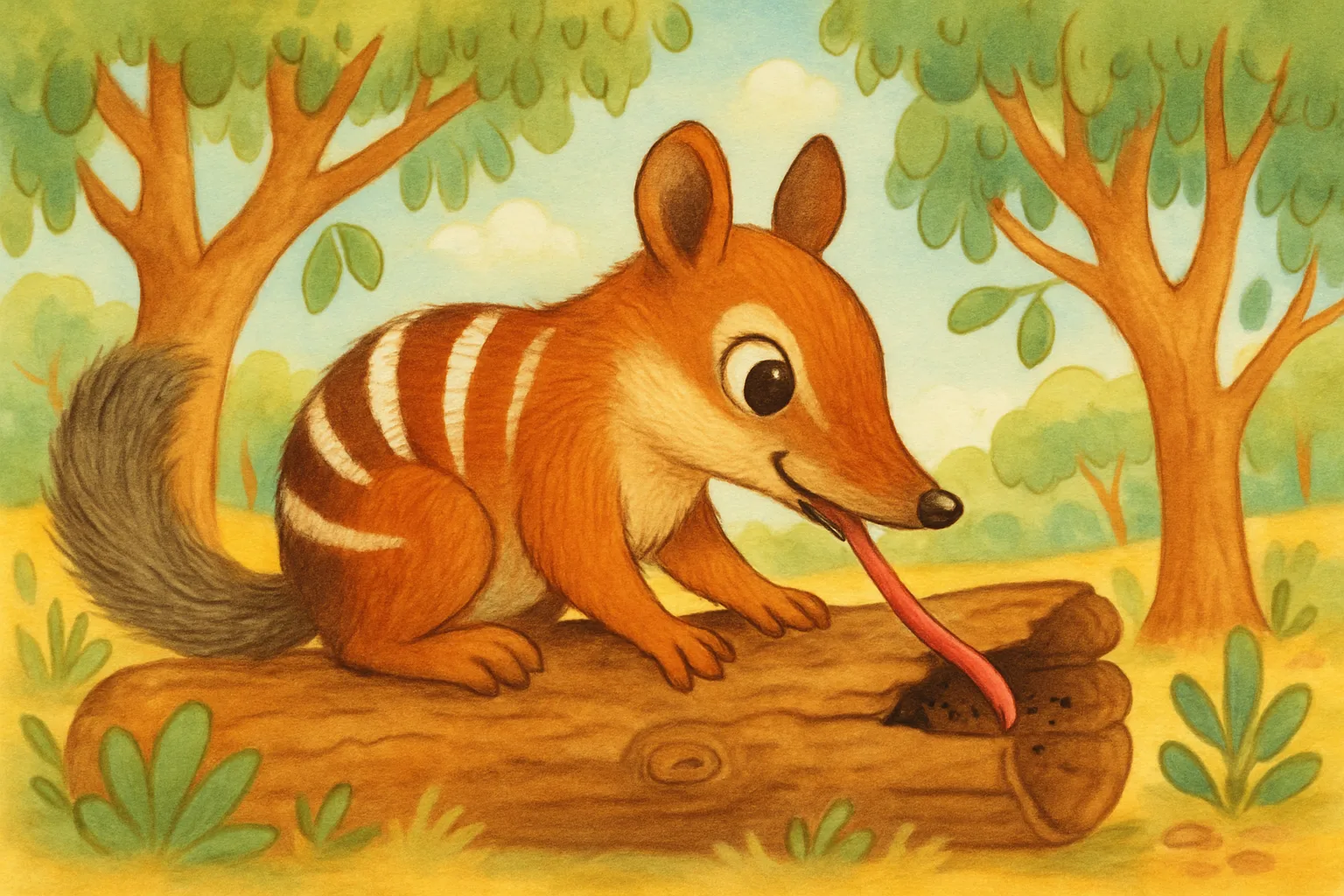
The numbat is one of Australia’s most unusual creatures. It is a small marsupial — related to kangaroos and koalas — with reddish-brown fur, white stripes across its back, and a long, sticky tongue. It uses that tongue to flick into logs and holes to catch termites. It can eat up to 20,000 termites in a single day!
For decades, the numbat was in serious trouble. When European settlers brought foxes and cats to Australia, the numbat had no defenses against these new predators. By the late 1970s, fewer than 300 numbats were left in the entire world. Scientists feared the species might disappear completely.
Then the hard work began. Wildlife scientists, zoos, government teams, and volunteers spent more than 40 years fighting to save the numbat. They built special fenced areas to keep foxes and cats out. They carefully removed predators from key areas. Perth Zoo bred numbats in captivity and released them into the wild. Teams created five new populations spread across southern Australia.
The results were dramatic. This week, the International Union for Conservation of Nature — the world’s top wildlife authority — officially changed the numbat’s status from “Endangered” to “Near Threatened.” That is a big step in the right direction.
Scientists are celebrating, but they are also being careful. About 3,000 animals is still a very small number for an entire species. Foxes and cats remain a threat. The conservation work must continue.
Why Does It Matter?
The numbat’s story is proof that people can make a real difference for animals in danger. It took patience — 40 years of it! — but it worked.
The numbat also helps its environment. When it digs for termites, it loosens the soil. That helps rain soak into the ground, which keeps Australian woodlands healthy. Saving the numbat helps the whole ecosystem.
Big Words
- Marsupial — A mammal that carries its young in a pouch, like a kangaroo or koala
- Endangered — A category meaning a species has very few members left and could disappear
- Near Threatened — A category one step safer than endangered; the animal is recovering but still needs protection
- Conservation — The careful protection and management of animals, plants, and habitats
- Predator — An animal that hunts and eats other animals
Fun Fact
A numbat can eat up to 20,000 termites in a single day — using a tongue so long and sticky it can reach deep inside tiny cracks in logs that no other animal can access!
Think About It
The numbat was saved by thousands of people working together over 40 years. What is one small thing YOU could do to help an animal or nature near where you live?
Sources
- IUCN (International Union for Conservation of Nature) — From desert frog to deep-sea molluscs, remarkable species at risk – IUCN Red List press release, July 9, 2026
- Australian Wildlife Conservancy — Numbat steps back from the brink
- Mongabay — Once endangered, Australia’s numbat is making a hopeful recovery
- The Epoch Times — The Australian Numbat No Longer Officially Endangered