
Lost for 20 Years, Found Forever! A 240-Million-Year-Old Reptile Rewrites Prehistory
Quick Summary
Scientists in Brazil have officially identified a brand-new species of ancient reptile. It lived 240 million years ago — long before the first dinosaurs appeared. Its fossilised bones were actually found years ago but then got lost. Researchers rediscovered the missing pieces and were finally able to name the creature.
What Happened?
Far back in time — so far that it is difficult to even imagine — the land that is now Brazil looked completely different. There were no people, no birds, and no dinosaurs. Instead, strange reptiles roamed the Earth during a period called the Triassic.
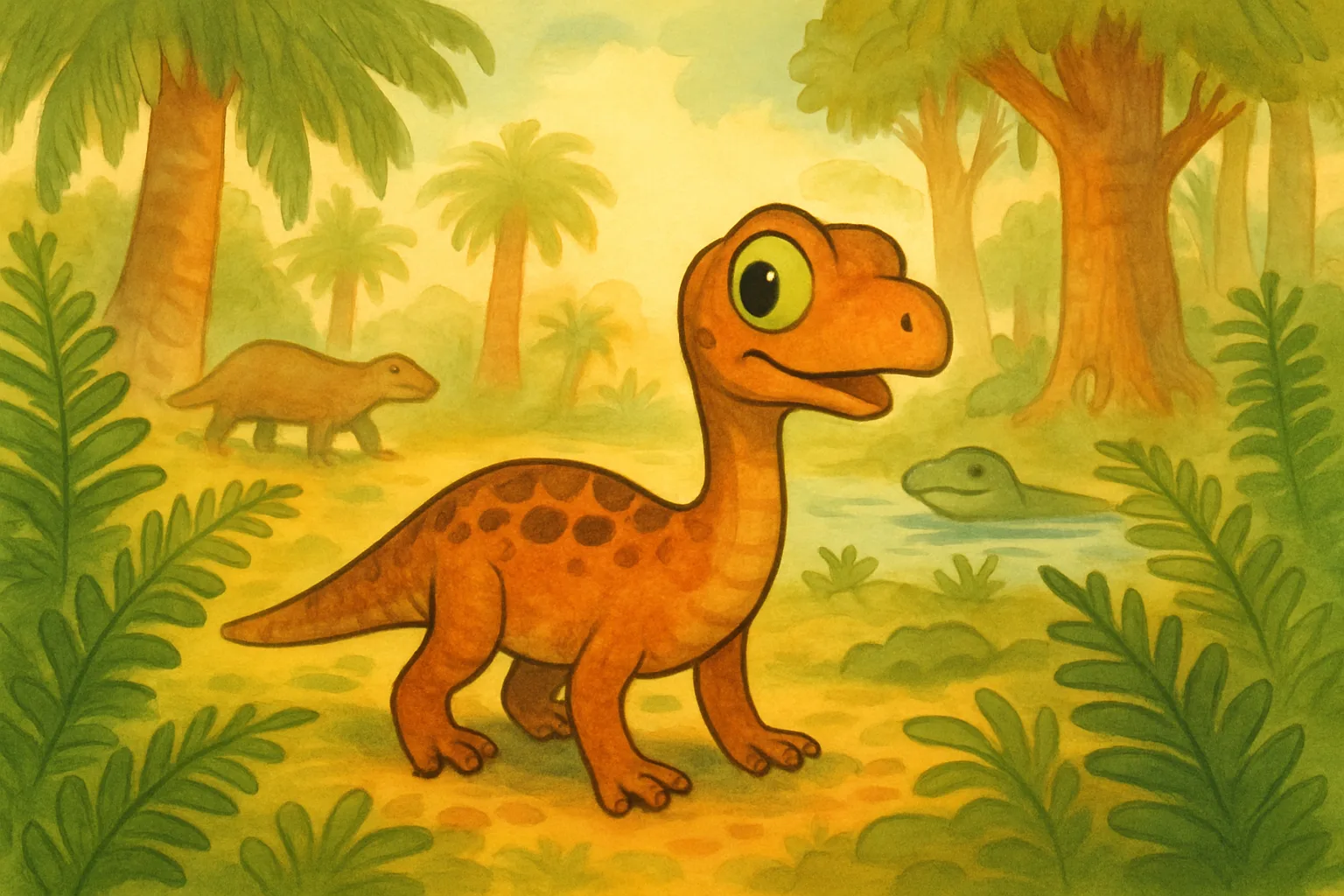
Now, scientists from Brazil’s Federal University of Santa Maria have officially named one of these ancient creatures: Silescelida acristata. The name is a mouthful, but the animal itself was roughly the size of a small alligator — about as long as a bicycle laid end to end.
Here is the twist in this story: the fossil was originally found near the town of Dona Francisca, in southern Brazil, inside rocks that are now part of a UNESCO Geopark. But a key fossil fragment went missing. For roughly 20 years, the creature could not be properly studied or named.
Then researchers rediscovered the missing pieces. With the complete fossil finally in hand, they were able to describe an entirely new species and publish their findings in the journal Scientific Reports.
Silescelida lived about 240 million years ago, right after the greatest mass extinction in Earth’s history had wiped out most life on the planet. It belonged to a group of ancient reptiles closely related to the very first ancestors of both dinosaurs and crocodiles. Scientists call these early relatives archosauriforms.
The small predator had legs positioned underneath its body in an unusual way. Researchers think this gave it a more efficient way of moving around than many of its ancient cousins. Its close relatives had previously been found mostly on other continents, so discovering one in South America tells scientists that these animals spread much farther across the prehistoric world than anyone realised.
Why Does It Matter?
This fossil fills in an important gap in the story of life on Earth. The period right after the Triassic mass extinction was like a reset button — the surviving animals were figuring out how to rebuild, and creatures like Silescelida were part of that exciting chapter.
Every new species scientists name adds another piece to the giant puzzle of how life on Earth evolved. Brazil’s ancient rocks are proving to be a treasure trove of prehistoric surprises.
Big Words
- Triassic Period — a stretch of time that lasted from about 252 to 201 million years ago, when the first dinosaurs began to appear and ancient reptiles ruled the land.
- Fossil — the preserved remains or shape of an ancient living thing, often found trapped in rock — like a time capsule from millions of years ago.
- Archosauriform — the name for a big group of ancient reptiles that eventually gave rise to crocodiles, dinosaurs, and even modern birds.
- Mass extinction — a time when a very large number of species die out in a short period of time; Earth has experienced five of these dramatic events.
- Geopark — a protected area of land recognised by UNESCO for its special geological and scientific importance, like a nature reserve but for rocks and fossils.
Fun Fact
The fossil that helped name Silescelida had been sitting, unidentified, in a museum collection for about 20 years before scientists tracked down the missing piece. Sometimes the greatest discoveries are hiding right on a museum shelf!
Think About It
If you were a palaeontologist and found an unknown fossil in a museum drawer, what is the first thing you would do to figure out what creature it belonged to?
Sources
- ScienceDaily — ‘240-million-year-old reptile fossil reveals a lost chapter before dinosaurs and crocodiles’ (Aug 10, 2026)
- phys.org — ‘Reptile fossil found in Brazil helps shed light on the common origins of dinosaurs and crocodiles’
- Fortune — ‘A fossil lost for 20 years just rewrote the map of dinosaur ancestry’ (Aug 10, 2026)
- SciTechDaily — ‘Forgotten for 20 Years, This 240-Million-Year-Old Fossil Reveals a New Reptile Species’