
🔎 This story is still developing. We will update it as we learn more!
Where Did the Wasps Go? Scientists Are Puzzled by a Very Quiet Summer
Quick Summary
Britain’s wasps have almost vanished this summer, and scientists are taking it seriously. Researchers who study wasps say they cannot even find enough for their experiments. Wild weather and extreme heat are the top suspects.
What Happened?
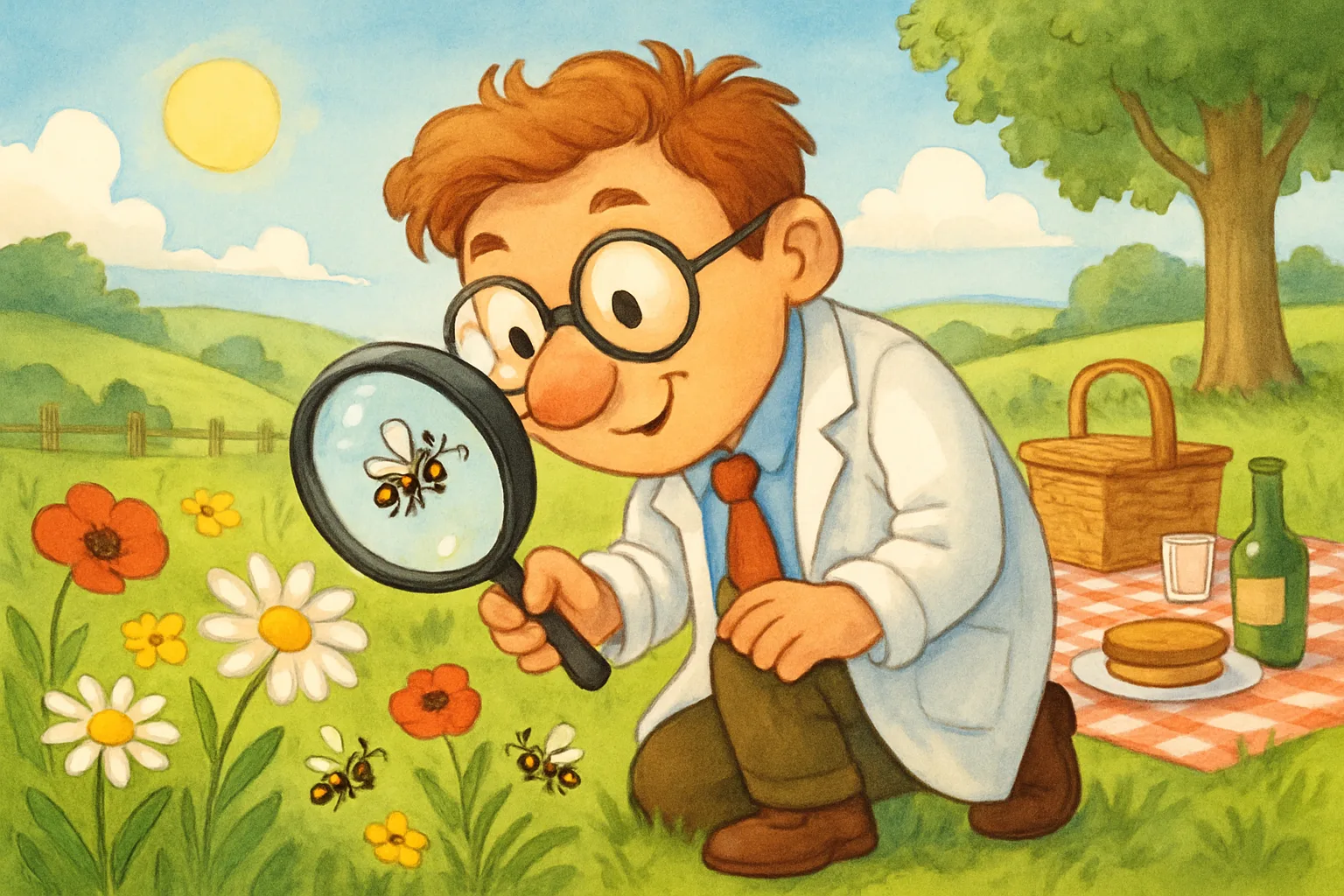
You probably know what it feels like when a wasp shows up at your picnic. These buzzing insects are a normal part of summer in Britain. Usually by late summer, you see them everywhere.
But summer 2026 has been strangely quiet. Scientists say wasps have nearly disappeared.
Professor Seirian Sumner is a wasp expert at University College London. She noticed something was very wrong when her students could not find wasps for their science experiments. Pest control workers backed this up. They told her it has been a very, very quiet year for wasp nests.
Usually, the British news is full of wasp stories in late summer — people complaining about swarms at gardens and parks. This year, almost nothing.
Scientists think the cause is extreme and erratic weather. Spring started warm and dry in 2026, which seemed great for wasps. But then something went wrong. Sudden temperature swings, heatwaves, and food shortages hit just as wasp colonies were trying to grow.
Here is how a wasp colony works: in spring, a single queen wasp wakes from hibernation and builds a nest all by herself. She lays eggs and raises workers. That first stretch is risky — if she survives until her workers emerge, the colony can grow safely. But if the weather turns bad right at that critical moment, the whole colony can collapse.
Scientists also noticed something extra-strange: the wasps that are around this summer look unusually small. Scientists think extreme heat can shrink insects by making them grow faster with less food available — like a person who grows up without enough to eat.
Why Does It Matter?
Most people think wasps are just annoying. But they are actually incredibly useful. Wasps hunt garden pests like greenflies and caterpillars that destroy crops. They also visit flowers and help with pollination. And they break down dead wood and other waste, acting like nature’s recyclers.
If wasps disappear from a garden, pests multiply and plants suffer. Scientists warn that what happens to wasps could be an early signal that other insects are struggling too.
Researchers are asking everyday people to help. They want the public to report wasp sightings through a project called the Big Wasp Survey. Every sighting helps scientists understand what is happening and what can be done.
Big Words
- Entomologist — a scientist who studies insects
- Colony — a group of insects like wasps or ants that live and work together as a team
- Hibernation — a deep winter sleep that some animals use to survive cold months without food
- Pollinator — an animal that moves pollen from one flower to another, helping plants reproduce
- Erratic — unpredictable and uneven; erratic weather means it changes in unexpected ways
Fun Fact
A single wasp colony can catch and eat tens of thousands of insects over one summer — making wasps some of the most effective pest controllers in the natural world!
Think About It
Would you help scientists by joining a citizen science project like the Big Wasp Survey? What other everyday animals do you think scientists should track more carefully?
Sources
- ScienceDaily — Wasps are disappearing this summer, and scientists are worried (Sep 11, 2026)
- The Ecologist — Are wasps losing their rhythm? (Aug 20, 2026)
- SciTechDaily — Why Are Wasps Disappearing This Summer?
- GB News — Scientist reveals reason behind sudden disappearance of wasps across Britain